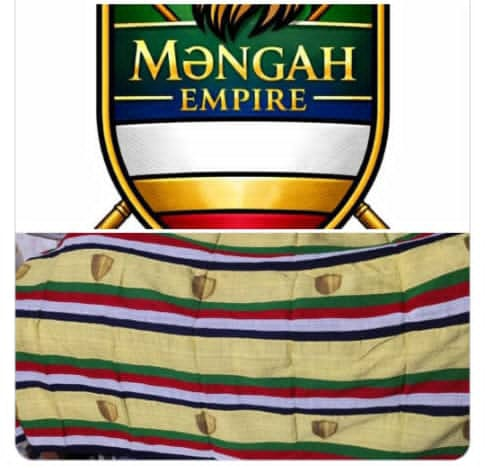

About Us
MUNGA DOSSO DEVELOPMENT ASSOCIATION (MDDA)

Vision Statement
A just,Peaceful, Progressive,and a Secure Munga Dosso Community, where every individual responds to the call of duty.
Mission Statement
To inspire,equip,and connect all Sons and Daughters of Munga Dosso to address the needs of our Community, starting with myself.

Core Values
The core values of Munga Dosso people include its unity as well as unity of purpose, empathy, tight communal relationships, enterprising and industrious ventures, and strength of character.
- Economy:
- Munga Dosso economy is anchored 80% on Agricultural production which involves the production of staple foods like Rice,Maize, Sorghum,Cassava,Millet, Groundnut as well as the rearing of domestic animals such as goats,rams, poultry and cattle. Recently with many into commercial production of cattle's.
- Social Structure:
- Munga Dosso is structured into Families to Extended families with Multiple generations sharing traditional compounds, Lineages which is patrimonial and divided into Exogenous clans such as,Le-Bazhi,Le-Badah,Le-Bakwam,Le-Bambe, Le-Bwanzam,Le-Ivah, Le-Kalai,Le-Mudan, Le-Nitsam,Le-Nwabang, Le-Song, Le-Vau.
- Social stratification and social class is also visible, respect for elders and traditional institutions is core in Mungaland.
- Other Unique Features:
- Other features include unique way of Marriage conducted among Munga Dosso people,with considerate bride price,and inter marriages with other tribes.The yearly celebrations of Festivals like,Mim Ningbui,Mim Njam, Mim fi Bazhi, Mim Mim tarifi, and Gbanzing celebrations are other Unique Features in Munga Dosso traditions.

About Us
The Munga Dosso people also known as Le-Mangga,are ethnic group predominantly living in Karim Lamido Local Government Area, Taraba State Nigeria.They speak Munga Language (Nwayi Mangga).The Munga Dosso people have maintained their identity and culture over the generations,with their history tied to the water body and their land where the name Munga emminated (Ming'angah) Meaning big water.
A HISTORY OF THE MUNGA (LE-MÄƝGGA) PEOPLE
- Introduction
According to T. G. Brierly, the savanna plain lies immediately north of the Benue flood plain and consist of park-like country side, fairly well wooded and quite fertile. This is about 8-10 miles wide and has the main settlement of the Munga. They are located 8 miles north east distance away from Karim-Lamido, the headquarters. The Munga people, also known as Mạɲgga or Le-Mạɲgga, are an indigenous ethnic group predominantly found in Karim Lamido Local Government Area of Taraba State, Nigeria. They possess a rich and distinctive history, language, cultural heritage, traditional institutions and long-standing traditions of farming, fishing, hunting and craftsmanship.
According to Munga oral tradition, the people have a tradition of long and short distance migration and settlement. Their migration covered several locations across what are now parts of the Niger Republic, northern and northeastern Nigeria before their eventual settlement in their present homeland. Their movement from one location to another was influenced by a combination of factors, including the search for water, fertile agricultural land, forests for hunting, security, social relationships and, at different times, conflicts with neighbouring communities.
The identity of the Munga people is closely associated with the river, forest, farmland and traditional way of life that sustained them throughout their migration and settlement history. It is important to note that much of the early history of the Munga people has been preserved through oral tradition and intergenerational transmission. Consequently, details concerning their ancient origin, migration routes and early settlements should be understood within the context of Munga oral historical tradition. Further historical, linguistic, archaeological and ethnographic research may help to document and compare these traditions with other available sources.
2.1 Origin of the Munga People
According to Munga oral history, the ancestors of the Munga people are believed to have originated from the Middle East, particularly Yemen. Their ancestors subsequently migrated westward over several generations, with the earliest stages of this migration traditionally dated to around 1710 AD. They are said to have eventually reached the region of the present-day Niger Republic before continuing into areas of northern and northeastern Nigeria, including locations in present-day Sokoto, Zaria, Bauchi, Gombe and Adamawa States. The reasons given in oral tradition for this long migration include religious beliefs and traditional practices, the search for suitable places to live, and the need to find environments capable of sustaining their traditional occupations.
The Munga people were traditionally fishermen, hunters, farmers and craftsmen. Consequently, the availability of rivers, forests and fertile agricultural land played an important role in determining where they settled. Their migration was therefore not a single movement but a long historical process involving several stages of temporary settlement, relocation and eventual resettlement.
2.0 The Traditions of migration of the Munga People
2.1 From Yemen to the Niger Region (c. 1710–1720 AD)
According to oral tradition, the early ancestors of the Munga people began their migration from Yemen in the Middle East. From there, they gradually moved southward through the area now known as the Niger Republic before continuing towards present-day Nigeria. Their movement was gradual. The people settled temporarily in different locations and relocated whenever environmental, economic, social or security conditions made further movement necessary.
2.2 From the Niger Region to Sokoto Area (c. 1720–1728 AD)
The migrating Munga ancestors eventually reached the Sokoto area. However, according to oral tradition, the environment did not provide sufficient conditions for maintaining their traditional way of life, particularly their dependence on fishing, hunting and farming. They therefore continued their migration towards the east and southeast.
2.3 Kofar Gabas in Bauchi Area (c. 1728–1735 AD)
From Sokoto, the Munga ancestors moved to the area now known as Kofar Gabas in present-day Bauchi State. The Munga ancestors settled therein for a short period before continuing their search for another environment more suitable for their traditional occupations and settlement.
2.4 Dadin Kowa in Gombe State (c. 1735–1740 AD)
From Kofar Gabas, the Munga people proceeded to a location in the Dadin Kowa area in present-day Gombe State. Dadin Kowa became another important stage in their migration history. However, the people eventually continued their movement towards the Tula Hills, a location in the present-day Kaltungo Local Government Area of Gombe State.
2.5 The Tula Hills (c. 1740–1742 AD)
The Munga ancestors subsequently settled around the Tula Hills. Although the area offered certain advantages, oral tradition holds that it did not provide sufficient water bodies to support their important fishing activities. Because fishing formed a significant part of their traditional way of life, hence lack of adequate water became a major reason for another migration. They therefore descended from the hills and moved towards Imbru, in the present-day Numan area of Adamawa State.
2.6 Imbru in Numan (c. 1742–1752 AD)
At Imbru, the Munga people found an environment more favourable to their traditional way of life. The presence of water and forests provided opportunities for fishing and hunting. According to oral tradition, they remained at Imbru for a relatively long period and became more established there. However, persistent conflicts eventually compelled them to move again
2.7 Gwagwa Hill/Tingno (c. 1752–1753 AD)
Following the conflicts at Imbru, the Munga people moved along the river towards Gwagwa Hill, around present-day Tingno in Adamawa State. The river continued to play an important role in their movement because it provided water and supported their fishing activities. After some time, they continued their migration towards Jen.
2.8 Settlement at Jen and the Conflict with the Jenjo Brothers (c. 1753–1768 AD)
The Munga people eventually reached Jen area, where they settled at places known in oral tradition as Ṅwaka and Veh Banjdwa, now commonly referred to as Anguwan Mission in Jen. During their stay at Jen, the Munga and Jenjo peoples maintained a close relationship and regarded one another as brothers. According to oral tradition, they spoke closely related dialects and had travelled together during part of their migration history.
A misunderstanding later developed between the Munga and their Jenjo brothers during the playing of a traditional game known as Hywe, which involved snail shells. The incident is traditionally associated with the reign of Ivah Bukah, who, according to oral tradition, was one-eyed. During the game, one of the players won and reportedly exclaimed:
“Hurray! My shell remains in the pitch as the only one, like the eye of the king!” The statement was interpreted by some people as disrespectful to the king. According to the oral account, jealousy and misunderstanding led the losing side to accuse the winner of insulting or blaspheming against the king.
What began as a small quarrel gradually escalated into a serious inter-family dispute. Eventually, the ancestors of the present Munga community decided to move their people away from the area. They crossed to the south bank of the River Benue and temporarily settled at a place called Ngaɛ. Crossing the River Benue was an extremely difficult experience, and oral tradition holds that many people lost their lives while attempting to cross the river.
2.9 From Ngaɛ to Donada (c. 1768–1779 AD)
After leaving Ngaɛ, the Munga people moved to Donada area, in the present-day Lau Local Government Area of Taraba State. They remained there for a period but eventually decided to continue their migration. The main group moved towards Yusa, while some members remained behind and later changed direction.
2.10 Yusa and the Settlement at Hywe/Garin Kodi (c. 1779–1793 AD)
During the movement towards Yusa, some members of the Munga group remained behind and later crossed back to another location. This particular Munga group eventually settled at Hywe, presently known as Garin Kodi under the present-day Jen Chiefdom.
This development contributed to the dispersion of the Munga population across different settlements. According to oral tradition, some of these dispersed groups later became absorbed into or associated with other communities. The main Munga group, however, continued its movement towards the present-day Yusa area.
2.11 From Yusa to Kunini (c. 1793–1814 AD)
After the Munga group spends some time at Yusa, the Munga people relocated to Kunini area, in the present-day Lau Local Government Area of Taraba State. The Kunini area on the south bank of the River Benue became another important location in their migration history of the Munga people. While living in the Kunini area, the Munga people discovered a fishing canal which, according to oral tradition, is still known today as Laaɓu or Lapou. The discovery and continued memory of this canal demonstrate the importance of fishing and water resources in the traditional economy and settlement decisions of the Munga people.
2.12 The Crossing of the River and the Discovery of Mạng’angah (c. 1814–1815 AD)
The Hammaruwa-led jihad launched in the Muri area from 1812 to 1817, which led to the emergence of the Muri Emirate, influenced the migration of the Munga people to the north bank of the River Benue. According to Mahmud Hamman in his book titled “the Middle Benue Region and the Sokoto Jihad”, he mentioned that, “the jihadists displaced the Munga group from the southern plain of the River Benue to the northern plain of the River Benue.” The event was narrated by Hamman thus;
“While the jihadists were still at Wulnongothey approached Munga who were also in the same area, but the latter proved hostile. Hence, they were fought and defeated by the jihadists as a result of which they fled across the Benue with few of them (one clan) to Bandawa while others migrated to their present settlement before reunion thereafter”
However, oral traditions maintained among the Munga states that, “when the Munga people eventually decided to leave Kunini, they faced the challenge of transporting one of their oldest members, who was too elderly and weak to continue the journey on foot. Therefore, the Munga people exchanged the fishing canal, known as Lapou, through barter and obtained a horse to assist in carrying the elderly person. The people then decided to cross the river in order to reunite with their brothers who had earlier crossed back from the Donada area. The River Benue crossing was extremely dangerous, and once again many people reportedly lost their lives.
After crossing the River Benue, the people became exhausted. It was the dry season, and they suffered from intense heat and thirst. At this critical moment, a dog belonging to the group moved ahead in search of water. According to oral tradition, the dog later returned to its owner with signs that it had found water. The people followed the dog and eventually discovered a large body of water. They drank from the water and, according to oral tradition, named it Mạng’angah, meaning “Big River.”
The name Mạng’angah is closely associated with the name Munga. Because Munga is not only a name but our language, according to oral tradition. The Story of the discovery of the big river is one of the most important narratives in Munga oral History because it connects the identity of the people directly with water and their traditional fishing culture.
3.1 Settlement at Present-Day Lelau (c. 1815–Present)
Having discovered the large body of water, the Munga people found an environment that provided many of the resources necessary for their survival. The river provided opportunities for fishing, while the surrounding forests supported hunting. The fertile lands, particularly the marshland (fadama) areas, were suitable for farming. However, the people needed higher and safer ground for permanent settlement. They therefore moved further inland towards the area now known as Lelau, while some settled in the area of present-day Ngurore Jabu, which the Munga people continue to call “Kwa”.
According to oral tradition, the Lelau people were historically associated with mountainous areas and with the extraction of Loh. The Munga people settled in the area and at the same time carried out fishing activities in the Mạng’angah River and engaged in hunting and farming accordingly. Oral tradition further states that after Ivah Bukah heard of the Munga people’s migration and crossing, he sent a delegation to invite them to dialogue and return home.
A central location was agreed upon for a meeting between Ivah Bukah and the Munga leaders. According to the tradition, Ivah Bukah came with a rooster and performed a traditional cleansing or reconciliation ceremony. The Munga people thanked the king but explained that they were content to remain in their new settlement. Nevertheless, the meeting ended in reconciliation and the restoration of peaceful relations.
3.2 Reunion with the Munga at Garin Kodi and Bambuka
The Munga group that had earlier settled around Garin Kodi eventually moved towards the area of present-day Bambuka. Over time, the different groups located one another and reunited. Their descendants are today known as the Le-Bambe clan, meaning “people from Bambuka” in the Munga language. This reunion represents an important stage in the dispersal and later consolidation of the Munga people. Although different groups had travelled and settled in different locations, their common ancestry, language, traditions and cultural identity continued to connect them.
3.3 Geographical Distribution of the Munga People
The Munga people are predominantly found in the following Local Government Areas in Taraba State, Karim Lamido Local Government Area, Lau Local Government Area, Ardo-Kola Local Government Area, Gassol Local Government Area, Bali Local Government Area, and Jalingo Local Government Area. Munga communities are also found in parts of Adamawa State, including areas such as: Malabu, Kim, Ngurore, and Ngbalang, among others.
The traditional homeland of the Munga people is situated within the northeastern region of Nigeria. According to traditional geographical descriptions, the Munga territory shares boundaries or maintains historical relationships with the Karimjo community to the west, the Zoh, Panya and Gwomu communities to the north, the Bambuka, Dadiya and Jen communities to the east, as well as the Bandawa community to the south.
4.1 Munga and Kunini: A Relationship from Time Immemorial
The history of the relationship between the Munga and Kunini peoples goes back to a period long before the two communities settled in their present locations. Much of this history has been preserved through oral traditions that had been preserved in the memories of most elderly among the Munga people. These oral traditions were inherited from the preceding generations of the Munga people.
According to the oral traditions obtained from the elders of the Kunini people of Lau Local Government Area of Taraba State, Nigeria. They mentioned that, they knew the Munga people from the period when the Munga were still living around the area that is today known as Lau. The Kunini people reportedly referred to the Munga as Nwingha, (yayan fara)
The elders further recalled that one of the places connected to the early history of the Munga was “Ngowai”, also known as Gowei. According to their account, this was an important location where relationships between different peoples developed, including relationships involving the Munga and Mumuye peoples. From Ngowai/Gowei, the Munga people later moved further and came to a place known as Muhje, located across the River Kunini. It was around this area that the relationship between the Munga and Kunini became more firmly established.
According to the Kunini elders’ account, while the Munga were preparing to continue their journey from Muhje, they had an elderly man among them who was too old and weak to walk. The Munga therefore needed a means of transporting him. It was during this period that an important exchange took place. According to the Kunini oral account, the Munga exchanged a fishing waterway known as Lapou or Laaɓu for a horse belonging to the Kunini people. The arrangement helped the Munga overcome the challenge of transporting their elderly member. The place known as Lapou, according to Kunini elders, still exists today. Its continued existence serves as an important physical reminder of this old relationship and interaction between the two communities.
Over time, the relationship between the Munga and Kunini peoples grew stronger. Friendship, mutual assistance, play and everyday social interaction developed between them. Marriage also became an important connection between the two peoples. Munga and Kunini families intermarried, transforming neighbours into relatives. Their relationship was not limited to social life. According to oral tradition, the two communities also maintained a traditional spiritual relationship through Nəngbui. They recognized and honoured each other’s traditional practices and important cultural occasions. Their traditional festivals became opportunities for demonstrating respect, solidarity and friendship.
Generations have passed since the events described by the elders. Settlements have changed, people have migrated and modern life has transformed many traditional ways of living. Nevertheless, the relationship between the Munga and Kunini remains an important part of the memories and identity of both peoples.
4.2 The Relationship between the Munga and Bandawa People
The relationship between the Munga and Bandawa people is a very old one. According to oral history shared by elders from the Bandawa community, the relationship between the two peoples did not begin in present-day Karim Lamido Local Government Area. Rather, it began many generations in the past when both communities still inhabited the area that is now known as Lau Local Government Area of Taraba State.
Early Relationship
According to Bandawa elders, the Bandawa, Kunini, Winlau and Minda peoples were once living together in a place known as Agoro. At that time, the Munga people were living around areas now known as Kanawa and Garin Sarki. The two communities were neighbours and maintained a close and peaceful relationship. They lived near one another, interacted regularly and maintained mutual respect.
Later, the Bandawa people moved towards their present location, leaving some of their brothers behind. However, their relationship with the Munga did not end with migration. They continued to meet and maintain their relationship in what is now Karim Lamido Local Government Area.
Why the Bandawa called the Munga “Nwingha”
The Bandawa people have a special name for the Munga people: “Nwingha.” According to Bandawa elders, the name means “children of the grasshopper.” The name was associated with the Munga people’s traditional activity of hunting grasshoppers, particularly during the month of October. Because the Munga were well known for this activity, the Bandawa began referring to them as Nwingha, meaning “children of the grasshopper.”
Spiritual Relationship
The relationship between the Munga and Bandawa was not limited to geographical neighbourhood only but extended to social interaction. According to Bandawa oral tradition, the two communities of Bandawa and Munga also maintained a relationship through traditional religious beliefs. When there was a serious misunderstanding or disagreement among the Bandawa people, they could come to Munga to take an oath. This demonstrates the confidence, trust and respect that the Bandawa people had in aspects of the traditional religious institutions of the Munga.
Intermarriage
Marriage is another important dimension of the Munga–Bandawa relationship. The two communities have intermarried for generations. Through these marriages, families from both communities became connected and developed lasting family relationships. The relationship between the Munga and Bandawa is therefore a story of neighbourhood, friendship, marriage, traditional beliefs, mutual trust and respect. Because this history has largely been preserved through oral tradition, continued interviews with elders from both communities are important for documenting additional names, places, events and details.
4.3 The Long-Standing Relationship between the Munga and Karimjo People
The relationship between the Munga and Karimjo people of the present-day Karim Lamido Local Government Area is one that, according to oral tradition, goes back many generations in the past. According to elders of the Karimjo community, their relationship with the Munga people did not begin in the locations where the two communities are found today. Rather, it began when the Munga were still living in the area now known as Munga Lelau. During that period, the Munga and Karimjo people lived close to one another, interacted regularly, visited one another and shared different aspects of community life.
The Name “Yin Gha”
According to Karimjo elders, they traditionally called the Munga people “Yin Gha.” The name was associated with the traditional hunting practices of the Munga. According to the elders, Munga hunters were known to dig into termite mounds when hunting for animals. Because of this practice, the Karimjo people came to associate the Munga with termite mounds. The expression “Yin Gha” is therefore interpreted as meaning “people or children of the mound,” similar in meaning to the Hausa expression “’ya’yan gara.”
A Relationship Without Known Major Conflict
According to the oral account of Karimjo elders, one of the strongest features of the relationship between the two communities is the absence of any known history of major fighting between them. For generations, the Munga and Karimjo people have lived as neighbours and maintained peaceful relations.
Intermarriage
The relationship between the two communities has also been strengthened through marriage. Men and women from both communities have married one another, creating family ties that extend beyond ordinary neighbourly relationships.
Shared Traditional Connections
The Munga and Karimjo peoples also maintain certain traditional connections. According to Karimjo elders, there are important traditional occasions during which the presence of Munga elders is required. One example is the traditional Shi-kənzau ceremony in Karimjo land. According to oral tradition, three elders from the Munga community are expected to be present during the ceremony. The ceremony is traditionally considered incomplete without their participation. This demonstrates that the relationship between the two communities extended beyond ordinary social interaction to include traditional understanding, recognition and mutual respect. The history of the Munga–Karimjo relationship is therefore one of peace, family, tradition and long-standing mutual understanding.
4.5 The Historical Coexistence between the Munga and Gwomu People
The relationship between the Munga and Gwomu people of Karim Lamido Local Government Area has existed for many generations in the past. According to oral accounts from Gwomu elders, the relationship between the two communities began when the Munga were still living in what is today known as Munga Lelau. The Gwomu elders describe the relationship as one built on unity, friendship, marriage, mutual respect, cultural interaction and peaceful coexistence.
The Name “Ya Munghəm”
According to Gwomu elders, they have a special name for the Munga people: “Ya Munghəm.” The name is associated with the way the Munga people were perceived as being strongly united. To the Gwomu, the Munga community was known for standing together and maintaining a strong sense of collective identity. The name therefore represents an important historical description of how the Gwomu people viewed the Munga community.
Intermarriage
Marriage has been one of the important ways through which the Munga and Gwomu peoples remained connected. Men and women from both communities married one another, creating family relationships that went beyond ordinary friendship. Through such marriages, the two communities developed wider networks of relatives, in-laws and extended families.
Seeking Rainfall in Times of Drought
Another important aspect of the oral history concerns traditional beliefs relating to rainfall. According to Gwomu elders, whenever there was a serious lack of rainfall during the rainy season, some Munga people travelled to the Gwomu community to seek rainfall through traditional means. The elders recalled occasions when people made such journeys and rain reportedly fell before they returned to their destination. Whether understood as traditional belief, spiritual practice or cultural custom, this account demonstrates the level of trust that existed between the two communities.
Traditional Titles and Institutions
The relationship also extended into traditional institutions. According to Gwomu elders, some members of their community came to the Munga people to seek Bori titles. The Munga people would then perform the relevant traditional coronation or title-conferring ceremony. This demonstrates that the relationship extended beyond ordinary social interaction to include cultural and traditional institutions.
A Relationship Without Known Major Conflict
According to Gwomu oral tradition, there was no known history of serious fighting between the Munga and Gwomu communities. Their coexistence was characterized by peaceful interaction, intermarriage, cultural exchange, mutual assistance and respect. The history of the Munga–Gwomu relationship is an important example of how neighbouring communities developed strong relationships over generations.
4.6 Zoh–Munga Relations: A History of Coexistence, Kinship and Shared Traditions
The relationship between the Zoh and Munga communities of Karim Lamido is one that deserves careful documentation and preservation. According to accounts shared by members and elders of the Zoh community, the relationship between the two peoples dates back to a period when the Munga were still living in what is today known as Munga Lelau. The Zoh people refer to the Munga as “Mugga,” a name which, according to their oral tradition, is associated with people known for fishing. The relationship was built through movement, hunting, marriage, spirituality, fishing, hospitality and mutual support.
Hunting and Mutual Support
One of the strongest memories preserved in the Zoh oral account concerns hunting.
During the hotter months of March and April, Munga hunters traditionally travelled towards the mountainous area around Kodei in search of game and often passed through the Zoh community.
Members of the Zoh community would sometimes join the Munga hunters, and they would continue the journey together towards the hunting grounds.
Hunting therefore became more than an economic activity; it also provided an opportunity for cooperation, companionship and the strengthening of relationships.
When the hunters returned, the Zoh people offered them water and hospitality. Though simple, this gesture represented care and mutual respect.
Marriage and Family Connections
Marriage also played an important role in strengthening the relationship between the Zoh and Munga peoples.
According to oral tradition, several cases of intermarriage occurred between the two communities.
One woman remembered in the Zoh oral account was popularly known as “Shi Mugga,” meaning “Munga woman” within the context in which the name was used.
Such marriages created family relationships that connected the two communities across generations.
Shared Spiritual Beliefs
The relationship between the Munga and Zoh communities also extended into the spiritual sphere. According to the Zoh account, the two peoples shared certain traditional beliefs and understandings. These similarities contributed to mutual familiarity and encouraged respect for one another’s traditional practices. Further interviews with elders and traditional custodians from both communities may help preserve more detailed information about these beliefs and institutions.
Fishing and Generosity
Fishing was another important area of interaction. The Munga people, whose history is strongly associated with fishing and life around water, interacted with the Zoh through fishing activities. According to Zoh elders, members of the Zoh community who went fishing in areas associated with the Munga were welcomed. Even when they did not catch fish, they could receive fish from the Munga people. This practice of sharing reflects an important traditional principle: food was not only a personal possession but also a means of strengthening relationships and caring for neighbours. The Zoh–Munga relationship demonstrates how communities interacted long before modern administrative boundaries through migration, hunting trails, fishing grounds, marriage, spirituality, hospitality and shared natural resources.
4.7 The Long Relationship between the Munga and Bambuka People
The relationship between the Munga and Bambuka people has existed for many generations. According to oral history shared by Bambuka elders, the two communities knew one another long before they settled in their present locations in Karim Lamido Local Government Area.
Early Relationship
According to Bambuka elders, they already knew the Munga people when the Munga were still living around the area now known as Jen. At that time, the two communities lived close to one another and interacted regularly. As migration continued, the Munga later moved to the area now known as Munga Lelau before eventually settling in their present locations. Despite these movements, the relationship between the two peoples continued.
Why the Bambuka Called the Munga “Ya Munghəm” The Bambuka people also refer to the Munga as “Ya Munghəm.” According to Bambuka elders, the expression is associated with unity, or what may be understood in Hausa as “haɗin kai.” The name was given because the Bambuka observed that the Munga people maintained strong unity and solidarity among themselves.
Intermarriage
The relationship between the two communities has also been strengthened through marriage. For many generations, Munga and Bambuka men and women have married one another, creating family connections that have brought the two communities closer.
A Peaceful Relationship
According to Bambuka oral tradition, there is no known record of serious fighting between the Munga and Bambuka peoples. Their relationship has generally been characterized by peaceful coexistence, social interaction and mutual respect.
Similarities in Traditional Beliefs
The two communities also share certain similarities in aspects of their traditional beliefs and practices. These similarities may reflect the long period of interaction between them. However, the Munga and Bambuka remain distinct peoples, each with its own language, history and cultural identity. The relationship between the Munga and Bambuka is therefore a history of long-standing contact, peace, intermarriage and cultural interaction that deserves to be preserved for future generations.
4.8 The Relationship between the Munga and Lelau People
According to oral history, the Lelau people originally inhabited mountainous areas historically associated with the Loh people. At some point, they experienced conflict with another Loh-related group and descended from the mountain. According to Munga oral tradition, the Munga people assisted the Lelau during this conflict.
One of the traditional resources associated with the account was a thorny shrub known in the Munga language as, “Ka Mua ku yi Ləu”. This expression is interpreted as referring to “the tree that catches the Loh man’s head.” According to oral tradition, the Munga people used this thorny vegetation to assist the Lelau people in resisting and defeating their pursuers. Following the conflict, the Munga and Lelau peoples developed a strong relationship. They lived together as brothers, shared space and established a cultural association characterized by intermarriage, cooperation and cultural exchange.
Cultural Exchange between the Munga and Lelau
The long standing relationship between the Munga and Lelau peoples resulted in the exchange and sharing of several cultural practices. One important example is the traditional Nánɓui (Dodo) festival, which is associated with the cultural heritage of the Munga people.
Another example is Gbanzing. According to oral tradition, the Lelau people first received or adopted Gbanzing from the Zoh people. Through the historical relationship between the Lelau and Munga, the celebration was subsequently adopted and incorporated into Munga cultural life. This demonstrates that Munga culture developed not only through internal traditions but also through long-standing interaction and cultural exchange with neighbouring communities. The Munga and Lelau peoples also intermarried and shared customs, traditions and important aspects of their social life.
5.1 The Emergence of the Concept of Munga Dosso and Munga Lelau
As the Munga population increased and hunting resources around Lelau became less abundant, some Munga people decided to move closer to the major river, surrounding forests and fertile marshland (fadama). They gradually left their original settlement in Lelau, while the Lelau people continued to occupy the area. Over time, it became necessary to distinguish between the different communities associated with the name Munga.
The Concept of “Munga Dosso”
The concept of “Dosso”, originally rendered as Dosau, is understood in Hausa to mean “original” or “asali.” The name therefore became associated with the original or principal Munga community.
The Concept of “Munga Lelau”
The expression Le-Ləu means “Loh people” in the Munga language, while the statement “ɲwayi Le-Ləu” refers to the “Loh language”. Because the Lelau people lived on land historically associated with the Munga, the name Munga Lelau came to be used as a geographical and historical identifier. Consequently, the terms Munga Dosso and Munga Lelau developed as important geographical and historical distinctions between different Munga-related communities and settlements.
5.2 Major Munga Settlements
The Munga people have four major traditional settlements namely, Ɓunkachi, Ɓunkaubu, Ɓugbamui,and Ɓwai.There are also several associated suburbs and smaller settlements, including: Mudang, Nwaminshi, Sakandare, Ɓukaregwag, Ɓunkawai, and Ɓukaɗui. These settlements form an important part of the social, political and cultural geography of the Munga people.
MUNGA MAJOR AND MINOR SETTELEMENTS
S/N | MAJOR SETTLEMENTS | MINOR SETTLEMENTS |
1 | Ɓunkachi | Mudang |
2 | Ɓunkaubu | Nwaminshi |
3 | Ɓugbamui | Sakandare |
4 | Ɓwai | Ɓukaregwag |
5 | – | Ɓunkawai |
6 | – | Ɓukaɗui |
5.3 Munga Clans and Traditional Administration
Traditionally, Munga society was organized around twelve major clans. These clans played important roles in the political, social, military, ritual and administrative organization of the community, alongside the three principal traditional rulers of Munga.
The three traditional rulers of Munga are namely, Kaigama of Munga, Kachalla of Munga and Galadima of Munga are as shown in the table below:
S/N | TRADITIONAL RULERS OF MUNGA |
1. | Kaigama of Munga |
2. | Kachalla of Munga |
3. | Galadima of Munga |
The twelve major Munga clans are shown in the table below:
S/N | CLANS OF MUNGA |
1 | Le-Badah |
2 | Le-Bakwam |
3 | Le-Bazhi |
4 | Le-Ɓwanzam |
5 | Le-Ɓambe |
6 | Le-Ivah |
7 | Le-Kallai |
8 | Le-Mudang |
9 | Le-Nwaɓang |
10 | Le-Nitsam |
11 | Le-Song |
12 | Le-Vau |
Each of these twelve clans of Munga traditionally performed particular responsibilities within the wider Munga political and social system. The responsibilities included, Military, organization, War leadership, Conflict resolution, Mediation, Traditional rituals, Community representation, Preservation of customs, Communication between leaders and the people, as well as traditional spokespersons known as Kunlaus also played important roles in communicating decisions and representing community interests.
The clan system therefore served as an important mechanism for maintaining social order, identity, collective responsibility and cultural continuity.
5.4 Traditional Economy and Occupations
The traditional economy of the Munga people is closely connected to the natural resources available within their environment. Their major occupations include farming, fishing, hunting, livestock production and craftsmanship.
Farming
Farming is one of the most important occupations among the Munga people. Traditionally cultivated crops include: Rice, Maize, Sorghum, Groundnut, Millet, and Cowpeas, among others. The availability of fertile land, particularly fadama land, has historically encouraged agricultural production.
Fishing
Fishing has been central to Munga history and identity. Its importance can be seen throughout the migration narratives of the people, particularly in the repeated movement of their ancestors in search of rivers and water bodies. The discovery of Mạng’angah, meaning “Big River,” is particularly significant in this regard.
Hunting
Hunting was traditionally an important source of food and livelihood. The forests surrounding Munga settlements provided wildlife and other natural resources. As population increased and wildlife became less abundant in some areas, hunting became more difficult. According to oral tradition, the search for suitable hunting environments influenced certain patterns of migration and settlement.
Livestock Production
The Munga people also rear livestock, including: Cattle, Goats, Sheep, and Poultry, among others. Livestock production contributes to household income, food security and the traditional economy.
Craftsmanship
Craftsmanship is another important traditional occupation among the Munga. The people have historically produced and used a variety of agricultural, hunting, fishing and domestic implements. Although many Munga people are now engaged in modern professions and formal employment, traditional occupations remain an important part of the community’s cultural heritage and economic life.
6.1 Munga Language and Cultural Practices
The Munga people speak the Munga language, Nwayi Mạngga, which is one of the most important components of their cultural identity. The language contains indigenous names and expressions relating to traditional institutions, foods, festivals, tools, natural resources, social practices and historical experiences. The preservation of the Munga language is therefore essential to preserving the people’s historical memory and cultural heritage.
6.2 Culture and Traditional Festivals
Munga culture is expressed through festivals, traditional ceremonies, music, dance, food, marriage, religion, material culture and social institutions.
Important traditional celebrations include the following:
6.3 Nánɓui (Dodo)
Nánɓui, also known as Dodo, is one of the important traditional cultural celebrations associated with the Munga people. It represents an important aspect of communal identity and cultural heritage.
6.4 Gbanzing
Gbanzing is another important cultural celebration observed among the Munga. According to oral tradition, the Munga adopted and incorporated the practice through their historical cultural relationship with the Lelau people, who had earlier received it from the Zoh.
6.5 Njam Angah
Njam Angah, translated as “Big Bori,” is another traditional cultural and spiritual institution associated with the Munga people.
6.6 Tarifi
Tarifi is associated with New Moon celebrations and forms part of the traditional cultural calendar. It provides an opportunity for communal gathering and cultural expression.
6.7 Tau
Tau is a sacred traditional institution associated with vindication and the validation of innocence. According to oral tradition, people from other communities sometimes visit Munga in connection with this institution because the tradition was never widely shared outside the community.
6.8 Mim Fi Bazhi
Mim Fi Bazhi is associated with the period of abundance and the bounty of the harvest. It is traditionally connected with blessing, protection and the security of harvested produce. Together, these festivals and institutions provide opportunities for communal gathering, cultural expression, music, dance, traditional rites and the transmission of cultural knowledge from one generation to another.
6.9 Traditional Religious Beliefs
Historically, the Munga people maintained an indigenous religious system involving traditional spiritual beliefs, rituals and cultural practices. In contemporary times, religious affiliation within Munga society has become diverse. According to community estimates provided in this historical account: Approximately 70% of Munga people profess Christianity with renowned Bishops, Pastors, Evangelists and Missionaries. Approximately 27% continue to practice aspects of African traditional religion and approximately 3% are Muslims. These figures should be understood as community estimates rather than results from an official population census or scientific religious survey. The coexistence of Christianity, Islam and indigenous religious traditions reflects the changing religious landscape of Munga society.
6.10 Traditional Material Culture
Munga traditional culture is reflected in a variety of tools, weapons, agricultural implements and household objects. Some important traditional cultural items are in the ensuing table:
S/N | MUNGA NAME | ENGLISH DESCRIPTION |
1 | Kanɓana | Staff |
2 | Kantaun be Butsa | Bow and arrows |
3 | Ngii | Shield |
4 | Kaɓuii | Spear |
5 | Jom/Gahfai | Axe |
6 | Ɓum | Hoe |
7 | Yuam | Sickle |
8 | Lee | Calabash |
9 | Tsem ɦua | Clay pot |
These objects represent the practical knowledge, technological adaptation and artistic heritage of the Munga people.
6.11 Traditional Food
Munga traditional cuisine is closely connected to the people’s agricultural and fishing economy. Among the traditional foods and dishes are:
Yuah Juh – Miyan Dargaza
Yuah Mạng’ Jih – Potash Soup
Yuah ɦing – Fish Soup
Traditional food is important not only for nutrition but also for cultural identity and communal life. Food preparation and consumption often form part of ceremonies, festivals, marriages and other important community gatherings.
6.12 Marriage and Social Relations
Marriage is an important institution in Munga society. Traditionally, the Munga people practice intermarriage with neighbouring ethnic communities. Munga families give daughters in marriage to people from other communities and also marry women from other ethnic groups. This practice has contributed significantly to social relationships and cultural exchange. Intermarriage has also created networks of friendship, kinship, cooperation and mutual support across different communities.
6.13 Population
The population of the Munga people is estimated by community sources to be between 120,000 and 150,000 people. However, this figure should be treated as a community estimate rather than an officially verified ethnic population figure unless supported by a dedicated demographic survey or census. Because Munga communities are distributed across several Local Government Areas in Taraba and Adamawa States, determining their exact population would require a detailed demographic study.
7.1 Contemporary Munga Society
Munga society has experienced significant changes over time. While farming, fishing, livestock production, hunting and craftsmanship remain important, increasing numbers of Munga people are now involved in, Education, Government employment, Business and entrepreneurship, Professional occupations, Skilled trades and other modern economic activities.
Despite these changes, traditional institutions, language, festivals, clan identities, food, oral history and relationships with neighbouring communities continue to play important roles in defining Munga identity. Munga society therefore represents a combination of traditional heritage and contemporary social and economic realities.
7.2 Historical Significance of the Munga Migration
The migration history of the Munga people demonstrates the importance of water, land, forests, security and social relationships in the formation and development of indigenous communities.
The repeated movement of Munga ancestors from one location to another was closely connected to their traditional livelihood system. As fishermen, they sought rivers and other water bodies. As hunters, they needed forests rich in wildlife. As farmers, they required fertile land and particularly valued marshland (fadama) areas.
As a community, they also required secure environments where they could establish settlements and maintain their social and cultural institutions. The history of Munga migration therefore represents not simply geographical movement but also the gradual development of a distinct people, society and cultural identity.
7.3 The Meaning and Significance of Munga Identity
The identity of the Munga people is strongly connected with their traditional language, history, environment and cultural institutions. According to oral tradition, the name Munga is associated with Mạng’angah, meaning “Big River.” This tradition reflects the central role of water in the historical experience of the people. The river provided water for drinking, fishing and agriculture and influenced the places where the ancestors settled. The forests provided hunting grounds, while fertile lands supported farming.
Consequently, Munga identity can be understood as having developed through a close and enduring relationship between the people, the river, the forest, the farmland and the wider community.
7.4 Preservation of Munga Heritage
The history of the Munga people has largely been transmitted orally through elders, traditional leaders, families and community institutions. As modernization, migration, formal education and urbanization continue to influence younger generations, there is an increasing need to document and preserve Munga heritage. Such documentation should include: Oral histories from elderly community members, documentation of the Munga language, clan histories, traditional songs and music, festivals and ceremonies, traditional foods, traditional medicines and indigenous knowledge, historical migration routes, traditional leadership institutions, archaeological and historical sites, traditional tools and material culture, marriage customs, religious traditions, traditional names and their meanings.
The preservation of these materials will help ensure that future generations understand and appreciate their history, culture and identity. Community-based oral-history projects should also record the accounts of neighbouring peoples, since the history of the Munga is closely connected with the histories of communities such as the Lelau, Jenjo, Kunini, Bandawa, Karimjo, Gwomu, Zoh and Bambuka.
required secure environments where they could establish settlements and maintain their social and cultural institutions. The history of Munga migration therefore represents not simply geographical movement but also the gradual development of a distinct people, society and cultural identity.
7.5 Conclusion
The Munga, or Mạɲgga/Le-Mạɲgga, people are an indigenous community with a rich and distinctive historical and cultural heritage in northeastern Nigeria. According to their oral tradition, their ancestors undertook a long migration beginning from the Middle East, particularly Yemen, passing through the Niger region and several locations in present-day northern and northeastern Nigeria before eventually establishing themselves in their present homeland. Their migration was shaped by the search for water, fertile agricultural land, forests, security and suitable conditions for their traditional occupations.
The discovery of Mạng’angah, meaning “Big River,” occupies a particularly important place in Munga oral history and is traditionally associated with the origin and identity of the Munga people. Over generations, the Munga developed a distinctive society based on farming, fishing, hunting, livestock production and craftsmanship. Their twelve traditional clans provided an important foundation for political, military, social and ritual organization, while traditional leaders and institutions helped maintain order and collective identity.
The Munga people’s relationships with neighbouring communities, particularly the Lelau, Jenjo, Kunini, Bandawa, Karimjo, Gwomu, Zoh and Bambuka, contributed to cultural exchange, intermarriage, mutual assistance and the development of long-standing traditions of peaceful coexistence.
Today, the Munga people continue to preserve important aspects of their identity through their language, festivals, traditional foods, clan structures, settlements, cultural practices and oral traditions. At the same time, Christianity, Islam, formal education, modern employment, urbanization and other contemporary influences continue to shape and transform their society.
The history of the Munga people is therefore not merely a story of migration and settlement. It is a story of resilience, adaptation, cultural continuity, environmental dependence, peaceful coexistence, community solidarity and the preservation of identity across generations.
Documenting this history is important because it provides future generations with a record of the experiences, traditions, values and contributions of the Munga people to the history and cultural diversity of Nigeria.